Precision Dewatering Solutions for Modern Industries
Industrial processes across the globe depend on efficient separation systems to maintain productivity, reduce waste, and meet environmental regulations. Among the most reliable mechanical solutions for solid-liquid separation is the screw press system. Known for its durability, low operational cost, and continuous performance, this technology plays a vital role in wastewater treatment, food processing, pulp production, and agricultural management.
The Importance of Advanced Dewatering Systems
As industries expand, managing waste and recovering valuable resources has become more critical than ever. Effective dewatering minimizes sludge volume, lowers transportation expenses, and improves material recovery rates. Companies that invest in well-designed separation equipment often experience improved operational stability and long-term cost savings.
A screw press works by applying gradual pressure through a rotating shaft enclosed within a cylindrical screen. As the material progresses through the chamber, liquid is extracted through filtration openings while solids are compressed and discharged. This simple mechanical principle ensures consistent output with minimal energy consumption.
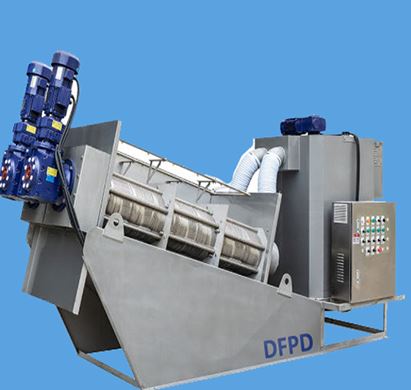
Key Features of High-Performance Equipment
When evaluating industrial dewatering machinery, several features determine reliability and efficiency:
- Corrosion-resistant materials for long service life
- Optimized screw design for enhanced compression
- Energy-efficient motors to reduce operational costs
- Automated control panels for precise monitoring
- Compact structure for easy installation
These features collectively ensure smoother operation and reduced maintenance requirements. Equipment built with strong engineering standards performs better under demanding industrial conditions.
Why Manufacturing Expertise Matters
The quality of fabrication directly influences machine efficiency and durability. A trusted Screw Press Manufacturer focuses on precision machining, balanced screw alignment, reinforced screens, and carefully engineered pressure zones. Such attention to detail improves solid dryness levels and prevents frequent breakdowns.
In addition, professional production teams conduct performance testing before dispatch, ensuring consistent operation across varying material types. Proper surface finishing and welding techniques further enhance resistance to wear and chemical exposure.
Industrial Applications and Benefits
Wastewater Treatment
Municipal and industrial treatment plants rely on screw press systems to reduce sludge volume efficiently. Lower moisture content translates into easier handling and disposal.
Food and Beverage Processing
Juice extraction, fruit pulp separation, and vegetable waste management benefit from hygienic stainless-steel construction and steady pressure control.
Agriculture and Livestock Management
Animal manure separation improves nutrient recovery and simplifies waste management processes, contributing to cleaner farm environments.
Pulp and Paper Industry
Fiber recovery and water reuse systems support sustainability goals and reduce raw material losses.
Advantages Over Alternative Systems
Compared to centrifuges and belt presses, screw press technology offers several operational benefits:
- Lower Power Consumption – Slow rotation minimizes electricity use.
- Quiet Operation – Reduced vibration ensures safer working conditions.
- Continuous Workflow – Supports non-stop industrial processes.
- Minimal Maintenance – Fewer moving parts reduce wear.
- Space Efficiency – Compact units fit easily into existing layouts.
These advantages make the system ideal for facilities aiming to balance performance and operational efficiency.
Customization and Innovation
Modern engineering allows customization based on processing capacity, material consistency, and dryness requirements. Variable speed drives, automatic self-cleaning screens, and PLC integration enhance adaptability. Such innovations help businesses maintain consistent performance even as production volumes change.
Manufacturers also incorporate modular designs to simplify installation and future upgrades. This forward-thinking approach ensures long-term usability and reduced capital reinvestment.
Sustainability and Environmental Responsibility
Sustainability has become a core priority for industrial operations. Effective dewatering reduces landfill usage, lowers carbon emissions related to waste transport, and supports water recycling initiatives. By improving separation efficiency, industries can achieve better environmental compliance while optimizing operational costs.
Choosing the Right Equipment Partner
Selecting the right equipment supplier requires evaluating technical expertise, after-sales support, spare part availability, and customization capabilities. A reliable provider offers transparent communication, performance guarantees, and ongoing maintenance guidance.
Careful assessment of capacity requirements, material compatibility, and automation needs ensures that the selected machine aligns with production goals.
Conclusion
Efficient dewatering systems are essential for industries seeking productivity, sustainability, and cost control. Advanced screw press technology delivers consistent results with minimal maintenance and energy consumption. By prioritizing precision engineering and durable construction, businesses can enhance operational performance and achieve long-term success in an increasingly competitive industrial landscape.
